How Often Should You Schedule Commercial Cleaning for Your Business? | Avalon Cleaning Systems
How often should you arrange for commercial cleaning? Most offices require daily touchpoints for bins, kitchens and toilets, with weekly deep work such as floors and dusting. High-footfall sites, such as clinics or retail, usually require daily or even twice-daily cleans. Light-use studios might be well off two to three times a week. Busy seasons require additional appointments. Smart plans reduce germs, decrease sick days and enhance customer confidence. Next, we’ll look at schedules by space and risk.
Determining Your Cleaning Frequency
Strike a balance between price, risk, and how well your space is cared for. How often you clean will depend on your business type, level of footfall, space available and regulations you’re required to follow. Daily cleaning is suited to high-footfall areas, such as lobbies and bathrooms, while specific tasks such as carpet deep cleans or floor polishing can be placed on a monthly or bi-monthly rotation. Weekly services may suffice for small, low-traffic offices, but client-facing areas are often more demanding.
1. Business Type
Begin with your industry. Healthcare facilities, clinics and dental practices require frequent disinfection of touch points and clinical zones, sometimes multiple times a day, to adhere to hygiene regulations and protect patients. Food venues have to clean and sanitise food contact surfaces throughout shifts and at close. Grease removal, floor care and cold store checks are baked into the routine.
Offices with low occupancy can function effectively on weekly cleans plus daily wipe-downs in kitchens and washrooms. If you entertain clients, raise the frequency for reception areas, meeting rooms and glass. Hospitality, gyms, childcare and industrial units have more risk. Add specialist work such as laundry handling, equipment sanitising, spill response and safe waste streams. Align the cadence to risk and sector expectations.
2. Foot Traffic
Footfall sets the pace. High-traffic entries, lifts, corridors, and break rooms often require daily attention to reduce germ spread and keep floors clean. During busy periods or events, add additional rounds for bins, touchpoints and washrooms.
Create a simple checklist to identify “busy zones,” prioritise tasks depending on the time of day. Wipe handles at mid-morning, floors at close, and soap before lunch. Go weekly to track patterns. Change crew times when flows shift.
A shop before Christmas? More evening floor care and extra bin runs?
3. Facility Size
Big or split sites require shorter cycles to clean every corner properly. Count rooms, square metres, and desks or workstations to define the scope. Create zones so clean teams flow in a logical loop and do not clash with employees.
Create a grid that maps spaces to tasks and rhythm:
- Offices: dust, bins, and vacuum daily or several times a week. Deep clean monthly.
- Kitchens: sanitise surfaces and sinks daily; appliances weekly.
- Bathrooms: clean and restock daily; descaling weekly.
4. Industry Regulations
Regulation can regulate not only what you clean, but how frequently. Food laws require sanitisation of prep surfaces often. Clinical rooms require cleanliness and stringent hygiene practice. Watch for updates from authorities and insurers, then revise schedules and methods on the fly.
Leave behind evidence. Cleaning logs, sign-off sheets and cleaning checklists demonstrate compliance at audits.
5. Workplace Culture
About: Setting Your Cleaning Frequency A survey reports 41% of staff feel more productive in a tidy space, so set simple, shared rules: clear desks, empty small bins, and wipe appliances after use. Stock wipes, hand gel, and sprays where people need them.
This is where short refresher sessions come in. Let’s hear it for those tidy teams! The goal is consistent daily maintenance so your professional clean, whether daily, weekly or monthly, lasts longer and is more affordable.
Recommended Cleaning Schedules
A defined schedule maintains standards high and costs low. Think in layers: daily, weekly, and periodic deep cleans. Follow a checklist, modify for seasons and occasions, and review frequently so the plan suits your environment, traffic, and risk profile.
Daily Essentials
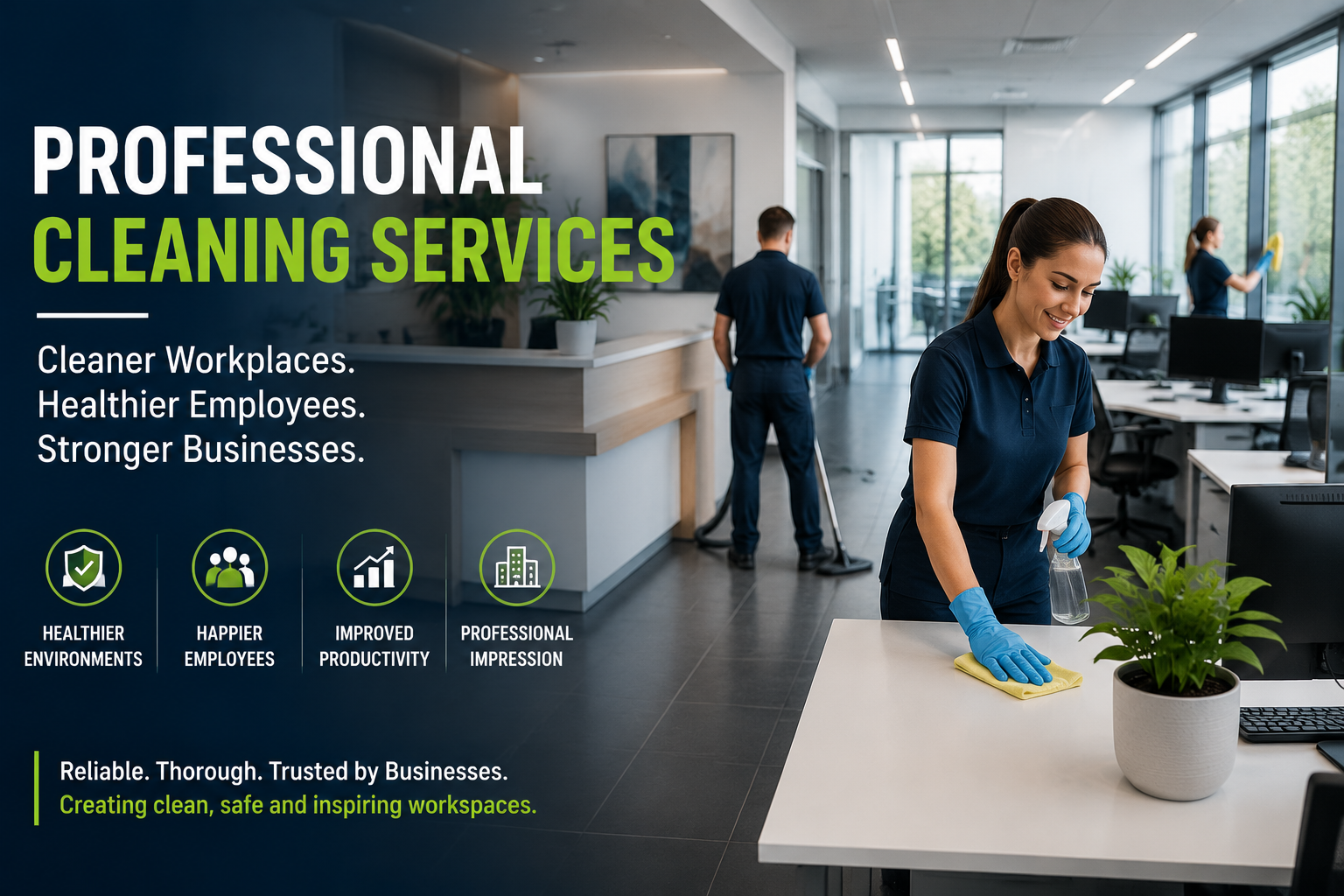
Daily cleaning routines should include all the essentials that will keep a workspace fresh. Focus on quick wins that stop build-up: vacuum high-traffic areas, empty bins, and disinfect high-touch points like door handles, lift buttons, railings, phones, and shared keyboards. Daily cleaning jobs should focus on smaller surface cleaning jobs and shouldn’t take a moment if done correctly.
- Washroom sanitation (toilets, sinks, taps, mirrors, floors)
- Kitchen counter cleaning and appliance handles
- Replenish soap, paper towels, and toilet paper
- Spot-clean glass and door panels
- Disinfect meeting tables and reception counters
Delegate who does what. In small teams, assign closing chores. In larger sites, book professional cleaners with a detailed checklist and sign-off sheet. Make sure daily cleaning includes all high-touch places like entrances, lifts, washrooms, kitchens and desks so dirt does not have a chance to accumulate and the hygiene of any workplace is maintained.
Weekly Routines
Weekly clean gets deep down into the layers of dust. Book furniture and vent dusting, deep-clean bathrooms and mop hard floors with the appropriate product for the surface. A weekly clean could involve vacuuming carpets and rugs, dusting desks and shelving, cleaning windowsills and blinds, sanitising phones and computers, and mopping hard floors.
Include carpet cleaning in high-traffic areas, interior window cleaning, and cleaning shared appliances (microwaves, fridges, kettles, and coffee machines). Rotate lower-priority tasks on alternate weeks by wiping skirting boards or light fixtures and lifting desk cables to catch dust. Weekly and monthly cleans come in handy for deep sanitising the office and removing dust. Review findings with a quick walk-through, noting areas that require more regular passes.
Periodic Deep Cleans
Monthly cleaning schedules can prove beneficial in keeping moderate-traffic offices looking tidy and professional. Schedule in monthly or quarterly deep cleans for carpets, upholstery and neglected areas. Seasonal deep cleans are especially beneficial since they prepare a business for weather variations and cope with the impacts of damp, salt or mud in the winter months. A deep clean should include higher areas in the office, such as ceilings, light fixtures and door frames, to knock dust and debris down.
Floor stripping and waxing, pressure washing entrances, exterior window cleaning, and HVAC vent cleaning are great for air quality. Out of hours scheduling lessens disruption. Tailor the scope to your business footprint, headcount, and central footfall. No two businesses are identical.
- Monthly: Detail vacuuming, chair fabric spotting, descaling taps, fridge purge.
- Quarterly: Carpet extraction, upholstery shampoo, vents and diffusers, high dusting.
- Biannual: full window wash, floor restoration, washroom deep descale.
- Seasonal: Winter salt removal mats, spring pollen control, autumn gutter checks.
The Cost of Inconsistency
Inconsistent cleaning breeds hygiene and safety gaps and bad first impressions. The fallout appears in increased sick leave, pest problems, emergency call-outs and budgets already stretched that might have been stabilised by a strategy.
Under-Cleaning Risks
Poor cleaning allows bacteria, allergens, and mould to proliferate in kitchens, bathrooms, vents, and soft furnishings. A wet patch of carpet or a dirty air con filter turns out to be a breeding ground and smells ensue. You pay more with sick days and short-staffed shifts, and production grinds to a halt.
Regulatory violations draw fines, warnings or forced closures, particularly in food, healthcare and education. Inspectors demand logs, safe chemicals and evidence of frequency. Lapsed records or grubby touchpoints set off instant fines or remediation orders.
Morale takes a hit if employees toil away in dusty offices with sticky floors and smeared screens. No one shares a space. Teams are slower, complain more, and turnover increases. Replacement staff are more expensive to recruit and train than to do routine cleans.
Customers complain about fingerprints on glass, bins overflowing or stained grout. One image online can undo months of marketing. Lost tenders and declining footfall are silent, slow drips of income.
Over-Cleaning Waste
Over-cleaning wastes time, water, energy and products. Scrubbing a low-traffic corridor daily just adds stress and no value, whilst draining the budget. Over-chemicalising or using antiquated tools inflates spending and may still leave streaks when sanitising.
Too much disinfectant can dull stone, warp wood, and remove protective coatings. Change a floor finish too frequently and you’ll be liable for premature resurfacing. An abused kit fails prematurely, which is unexpected. Replacing vacuums or auto-scrubbers because of poor maintenance is an unnecessary expense.
Sync frequency with true need. Map traffic by zone: foyers and washrooms often need daily attention. Storage rooms require weekly light cleans and monthly detail work. Season, events and occupancy adjusted.
Monitor stock levels and consumption by square metre. Set reorder points. Audit your logs monthly to identify spikes, eliminate waste and transition to safer, efficient products. Routine reviews in structured schedules raise service quality, reduce emergencies and smooth spend.
Why Professional Cleaning Matters
Why is professional cleaning important? They safeguard health, maintain business continuity and demonstrate compassion for the community and environment.
Leverage professional cleaning services for access to specialised equipment and expert cleaning knowledge.
Trained teams bring the right tools for each job: HEPA vacuums for fine dust, microfibre systems that trap particles, and dosing kits that mix safe, precise amounts of disinfectant. On carpets, they employ hot water extraction to dislodge dirt that wears fibres. In kitchens, they degrease ducts and hoods to reduce fire hazards. In healthcare, cleaning is done daily to protect patients and staff, with colour-coded cloths and contact-time checks to reduce cross-contamination. They get to the places the rest of us forget—ceiling fans, light fittings, vents—where deep cleaning limits germ transfer that daily chores overlook. It’s this combination of kit and know-how that sets a standard few in-house teams can match.
Ensure consistent, high-quality cleaning results that meet industry standards and client expectations.
Professional firms operate to clear standards and audits. That means toilets, breakrooms and kitchens remain clean at all times, not only when someone spots a mess. Why professional cleaning matters. Consistency safeguards your brand. Shoddy cleaning leaves odour, stains and lustreless floors that erode confidence. In hospitality and health, the rules are rigid. Routine, recorded cleaning prevents fines and protects licences. Measured results matter elsewhere too. Dust-free floors reduce slip risk. Clean air vents can lower allergy flare-ups. Neat spaces signal care to clients and staff.
Reduce the burden on staff by outsourcing complex or time-consuming cleaning duties.
When teams attempt to clean on top of their core work, something gives. Subcontracting heavy or hazardous duties, such as machine scrubbing, high-level dusting, and waste disposal, reduces that pressure and injury risk. Regular professional cleaning eliminates hazards like dust, dirt, and spills, which can lead to trips and falls. The ripple effects show up fast: fewer sick days when germs are controlled, less time lost to ad-hoc tidy-ups, and better morale because people walk into a fresh, orderly space. Clean places encourage focus and improve daily productivity in a straightforward human manner.
Benefit from tailored cleaning solutions that address your business’s specific requirements and schedules.
Excellent providers tailor the plan to your space and tempo. Offices require nightly touch points and quarterly deep cleans. Retail sites build up before weekends anyway!” Food sites require daytime wipe downs and stringent closing routines. High-traffic areas, such as entrances, lifts, canteens and toilets, get increased coverage to prevent germs from spreading. It can adjust for punctuated seasons, events or fit-outs. Tailored care protects assets: correct floor care extends the life of tiles and wood, careful dust removal keeps servers and machines cooler, and fabric care slows wear on chairs and screens. Less repairs, less glitches, good days.
Tailoring Your Service Plan
A robust cleaning plan begins with a transparent vision of how your environment operates on a daily basis and what “clean” has to signify for you. Cleaning requirements aren’t the same for every business so the plan needs to match your size, layout, employee habits and risk profile. A breakfast queuing café will require daily front-of-house wipes, regular washroom checks and floor care between each rush. A design studio could manage a lighter daily routine but depend on stringent dust control for machines and regular bin rotation. Map foot traffic by zone, record hours of operation, and note special needs from food prep rules to clinical standards to data centre protocols. Use this to set the right cadence: daily, weekly, monthly and seasonal.
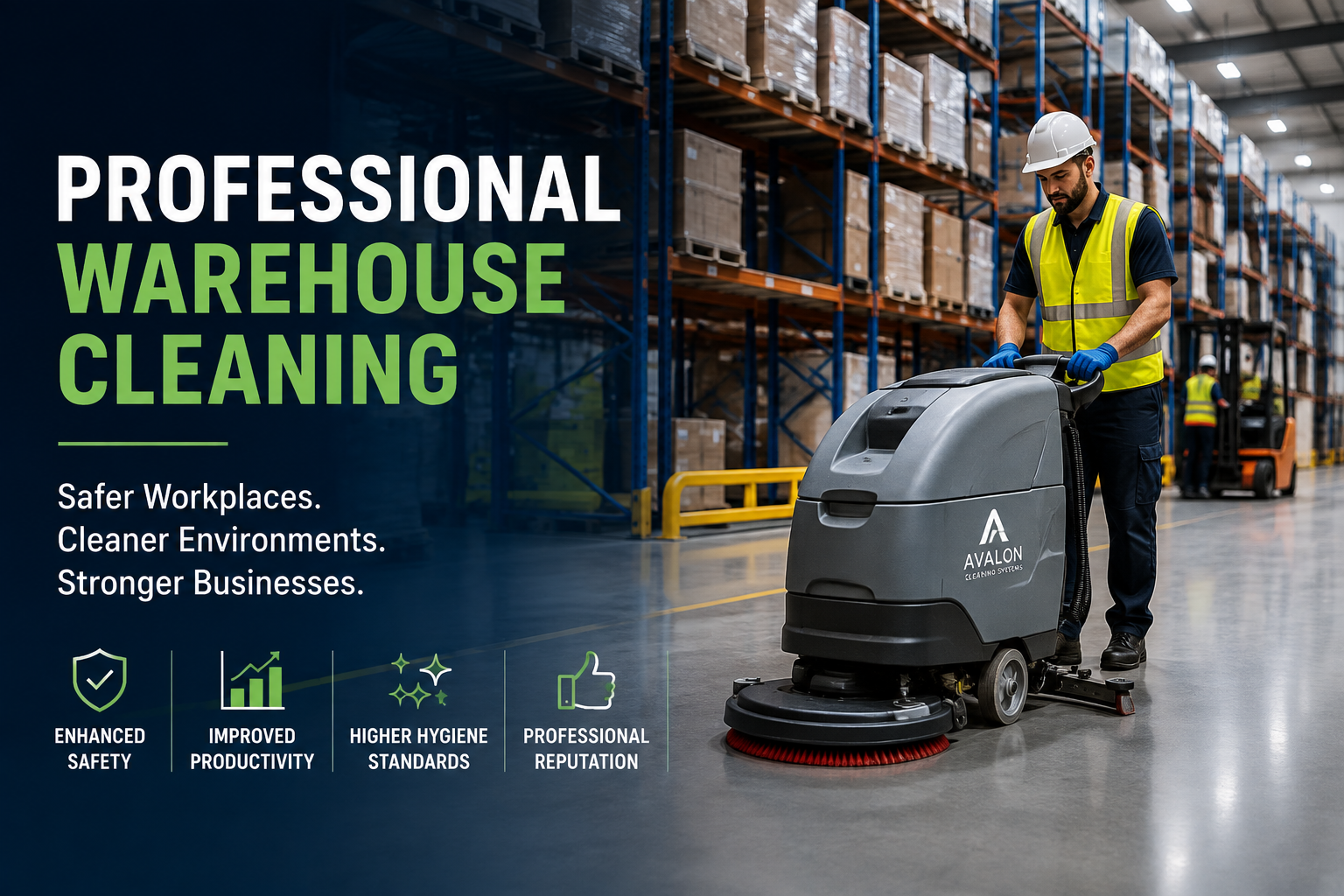
Be a partner rather than a vendor with your cleaning provider. Share peak times, delivery windows, security rules and any quiet areas. Request a flexible rota to speed up for product launches or events and slow down during quiet periods or holidays. A retailer might introduce evening touchpoint sanitising during flu season, then revert to normal thereafter. A warehouse might bring in extra floor scrubbing after rainy days to deal with mud at entrances. Flex assists in balancing costs to actual requirements and minimises distraction.
Write it down! A detailed service plan should specify intervals, areas and jobs. Daily tasks include emptying bins, wiping desks and counters, sanitising touchpoints, restocking and cleaning washrooms, and spot mopping spills. Weekly tasks include vacuuming carpets, mopping hard floors, dusting high and low surfaces, cleaning glass and mirrors, and wiping chairs and fixtures. Monthly tasks include machine scrubbing floors, cleaning vents and skirtings, detailing kitchens, and deep cleaning restrooms. Seasonal tasks include deep cleaning carpets and upholstery, washing windows, pressure cleaning entrances, and preparing for weather shifts, such as salt and damp in winter. Pair special tasks such as disinfecting surgical suites, stripping kitchen hoods, or maintaining laboratory equipment. Pay attention to who provides consumables and how stock is monitored.
Check (and update if necessary) the plan on a regular basis, for example quarterly, and following any operational change. Stroll the site with a checklist, monitor complaints and hygiene ratings, and change tasks or timing if necessary. If footfall increases, shift some weekly jobs to daily. If floors appear dull, increase machine scrubs. Maintain documentation to demonstrate compliance with health and safety regulations. A tailored plan keeps work flowing, reduces downtime, and maintains a clean, healthy environment that staff and customers can rely on.
The Future of Clean Workspaces
Clean work now signifies more than clean desks. It combines people, equipment, information and love for the environment, determining how often you clean and how effectively you safeguard health and time.
Embrace new cleaning technologies, such as automated equipment and eco-friendly cleaning products, for greater efficiency.
Robotic vacuums and scrubbers work the floors at night, allowing staff to concentrate on touchpoints including lifts, door handles and shared screens. Smart dispensers monitor soap and sanitiser usage so restocking is timely, not guesswork. These tools accelerate routine tasks, reduce mistakes and provide you with clearer audit logs. Combine automation with green products. Plant-based, low-VOC sprays and microfibre systems cut fumes and residue down, helping employees with asthma or allergies. Numerous teams now exchange single-use wipes for washable microfibre pads, reducing waste and expense in the long run. It is not a trend. Sustainable products will be standard, seamlessly integrating client expectations and targets around sustainability.
Anticipate evolving hygiene requirements driven by public health trends and regulatory updates.
Public health advice is changing quickly, so your schedule should change as well. Offices with high footfall may require daily cleaning of floors, kitchens and washrooms. Manageable traffic can run weekly cycles for most areas. Low-traffic sites could book monthly visits for basics, with quarterly deep cleans. During winter, rain, mud and salt are trailed into lobbies and lifts, so ramp up floor care and entry mat changes. Rules can become stricter post-outbreak, incentivising more regular disinfecting of communal devices or stricter waste disposal. Being first breeds confidence and is cheaper than panicked follow-up.
Integrate smart cleaning schedules that use data and sensors to optimise cleaning frequency and resource allocation.
Sensors in bins, washrooms and meeting rooms reveal actual usage, not guesswork. If occupancy peaks on Tuesdays, plan additional surface cleaning then. If bins fill at 15:00, set a precise round instead of fixed hourly walks. Combine data with feedback from teams: a busy café corner may need extra morning attention, while a seldom-used archive room stays on a monthly plan. Deep cleaning should be according to risk and season. HVAC vents, upholstery, and under-desks require regular interventions to remove bacteria, allergens and other dust that daily cleans miss.
Foster a proactive approach to workplace hygiene, positioning your business as a leader in cleanliness and safety.
Make hygiene culture. Train staff on tidy desk habits and spill reporting, and give them quick tools: sanitising wipes at hot desks, clear bins, and shoe-clean mats at entries. Select bespoke plans by zone – labs, call centres and design studios do not face the same hazards. Log absenteeism and complaints. Cleaner sites tend to come with fewer sick days and improved concentration. Gradually, small, incremental changes reduce risk, increase morale and demonstrate value to stakeholders.
To hit a good rhythm, align your cleaning routine with genuine use. Heavy footfall means daily touch points. Light use can manage with a weekly clean and a monthly deep clean. Staff are prospective customers. Clients see care. Floors last longer. Gear wears less. Bills decline over time.
Overheard one tiny café owner share a tip. They switched to daily bin runs and twice-weekly washroom checks. There are less smells and more favourable reviews. It is a straightforward fix with an obvious reward. A tech hub did an overnight wipe of desks and a monthly vent clean. There were less sick days during peak cold months.
Time to sort your plan? What’s your footfall, square footage, and high-risk areas? Get a clear schedule and a fair price. It’s time to arrange your clean that works.
Frequently Asked Questions
How often should a business schedule commercial cleaning?
In most offices, you need daily touch-point cleaning and weekly deep cleaning. High-traffic areas may require several sweeps a day. Healthcare, hospitality and food services typically need stricter, more frequent schedules. Match frequency to footfall, risk areas and regulatory requirements.
What factors determine the right cleaning frequency?
Consider foot traffic, industry standards, surface types, seasonal illness, and staff/customer density. Weigh compliance rules and your brand image. A site assessment by a professional helps set a tailored, cost-effective schedule.
What are recommended cleaning schedules by area type?
Reception and toilets: daily or multiple times daily. Kitchens and break rooms: daily. Desks and meeting rooms: daily light clean and weekly deep clean. Carpets and floors: weekly to monthly deep clean. Windows and upholstery: monthly to quarterly.
What happens if cleaning is inconsistent?
Germs transmit, odours stagnate, and surfaces wear. Staff productivity drops and complaints rise. You could put yourself at risk of safety and compliance violations. Irregular cleaning is typically more expensive in the long run with repairs and reactive call-outs.
Why hire professional cleaners instead of relying on staff?
Professionals use trained techniques, safe chemicals and industrial-grade equipment. They clean more quickly and efficiently. You receive documented procedures, compliance assistance and reliable outcomes. This safeguards health, reputation and assets.
How can I tailor a cleaning plan to my business?
Begin with a site audit. Route zones by risk and traffic. Outline daily, weekly, and monthly tasks. Set KPIs and review quarterly. Tweak for seasons, events, and headcount. Choose a provider with flexible, data-led scheduling.
What trends shape the future of clean workspaces?
Hope for sensor-driven schedules, eco-certified products and ATP or air-quality testing. Robots will take care of the monotonous work. Reports will be online and live. It is about health rather than appearance, with hygiene standards that you can measure.