Office Deep Cleaning Checklist: What a Professional Commercial Clean Includes | Avalon Cleaning Systems
What should a deep clean checklist contain? Dust high spots, vents and skirting boards. Clean walls, doors and switches. Degrease kitchen hobs, ovens and extractor fans. De-clutter and disinfect cupboards, bins and fridges. Descale taps, shower heads and tiles. Clear furniture to vacuum below and behind it. Wash curtains and cushion covers. Clean windows from top to bottom. Replace filters where necessary. To make it simple, the guide below dissects it.
The Professional Deep Cleaning Mindset
Deep cleaning like a pro means detail-first, slow-as-she-goes work and a checklist that treats every surface as mission critical. It is time-intensive, physically demanding and driven by equipment, timings and troubleshooting. With fewer shortcuts and more method, better health and more output is what we go all out for.
- Decide the scope and standards: list every room, surface, and fixture. Establish hygiene targets, frequency, and order of work.
- Gather kit: microfibre cloths, HEPA vacuum, extendable duster, scrub pads, safe surface-specific cleaners, PPE, and labelled caddies. The right tools save time and reduce risk.
- Map the flow: top-to-bottom, dry-to-wet, room-by-room. Snag time slots in a timetable and distribute breaks.
- Take it step-by-step. ‘Pay attention to nooks and crannies, vents, seals, behind-appliance gaps and other high-touch engagement points.’
- Work, document, rethink. Tick things off, log problems, and revise the checklist for the next time.
- Finish with quality control: check light at angles, perform a sniff test for dampness, and conduct a touch test for residue.
Top-to-Bottom
Begin with ceilings, light fixtures and vents. Smash spider webs, dust light fittings and air vents, and scrub light shades. A long pole makes it safe and quick.
Dust high shelves, cornices, and door tops and frames. Wipe walls where hands touch, around switches and around cooking areas. Detail baseboards and skirting. Dust first, wipe second, then dry.
Check vertical spaces: stair rails, window frames, curtain tracks, and behind tall units. Dust bunnies lurk in corners and along edges.
Finishing with floors. Vacuum edges with a crevice tool, then the main area with a HEPA machine. Mop hard floors with a nearly dry pad so they dry quickly. For carpets, slow vacuum passes are more beneficial than brute force.
Dry-to-Wet
Start off by dusting, sweeping and vacuuming. This prevents grit from becoming mud.
Move to wet work: wash, scrub, rinse, and sanitise sinks, taps, tiles, and handles. Match solutions to surfaces: pH-neutral for stone, non-abrasive for glass, and food-safe for prep areas. Test in an inconspicuous place if in doubt.
Always dry afterwards. We use crystal-clean cloths to avoid leaving streaks and mildew. This enhances hygiene and finish.
Room-by-Room
A room plan keeps you honest and cool. It comes in handy when the job is large, people are involved and time is short. Use a printed or digital list and mark as you go.
- Kitchen: Degrease hobs, hood filters, and splashbacks. Clean oven racks. Pull and vacuum behind the fridge. Sanitise handles. Descale the kettle. Wipe cupboard interiors. Wash bins.
- Bathroom: descale taps and showerheads, scrubby grout, clean drains and traps. Sanitize toilet hinges. Clean glass, wiped extractor fan.
- Bedroom: Launder bedding at 60°C if suitable. Vacuum mattress and bed base. Dust slats. Clean skirting and wipe switches. Wash curtains and dust blinds.
- Living areas: vacuum sofa crevices, wipe remotes and devices, clean under furniture, wash window tracks, dust frames and lampshades.
Your Essential Deep Cleaning Toolkit
A robust toolkit accelerates deep cleans, assists both homes and offices, and renders results more uniform. Group items as tasks, refresh stock by use-by dates, and stow in a caddy or within labelled boxes on a low shelf for easy access.
- Heavy-duty and mild cleaners for different surfaces and hygiene requirements.
- Gloves, masks, and waste bags for safe, tidy work
- Microfibre and mixed cloths, plus biodegradable sponges
- Vacuum, steam cleaner, carpet cleaner, and extendable tools
- Grout brush, upholstery kit, scraper, and kettle descaler
- Buckets, spray bottles, squeegee, mop with telescopic handle
- Glass cleaner, disinfectant, degreaser, and odour neutraliser
- Storage caddy, labels, and maintenance kit for your machines
Have a few different cloths on hand for those polishing jobs on shiny surfaces and taps. Microfibre works with or without product and is handy when you want lesser residue. Gentle cleaners safeguard sealed wood and natural stone, while a knife-edge degreaser dislodges burned-on gunk.
Chucking in a kettle descaler for limescale, a plastic scraper for paint specks, and spare sprays and nozzles.
Advanced Equipment
A decent vacuum cleaner is the backbone. Go for power, a HEPA filter, edges, and upholstery tools. Carpets and sofas trap dust deep down. This is why a carpet cleaner and upholstery machine are a real boost.
Clean with steam for grout lines, hard floors and sanitise without the nasty fumes. Extendable dusters and mop handles with telescopic reach assist crown moulding, vents and glass that is out of reach.
Maintain machines: rinse tanks, wash filters, check belts, and descale steam units monthly. For commercial or service work, list: backpack vacuum, rotary floor machine, wet/dry extractor, steam unit with brushes, window squeegee set, and safety signs.
Eco-Friendly Options
Opt for low-VOC, biodegradable products that still do a good job of cleaning. Vinegar, baking soda and castile soap tackle glass, eliminate smells and assist with light degreasing. Never use vinegar on marble or certain stones.
Stick to colour codes to prevent cross-usage. Biodegradable sponges and pads that are plant-based cut waste and still scrub.
Skip the noxious fumes if you can to protect indoor air. Clients and tenants appreciate safe air and clean results.
Regular deep cleaning helps keep spaces fresh and can mean you don’t need to clean big as often. Deep cleaning takes time, but the right tools reduce that time and improve the finish.
The Ultimate Office Deep Cleaning Checklist
An all-inclusive list organises daily, weekly and monthly jobs from every room, surface and piece of kit. It assists in-house teams and external cleaners aligned to the same standard. It maintains hygiene levels and protects staff wellbeing and morale. Daily chores nip the grease, smells and mess in the bud, making weekly and monthly deep cleans quicker and more efficient. Schedule general cleaning daily, with deep cleaning either quarterly or biannually depending on use, size of space and industry regulations.
1. High-Level Areas
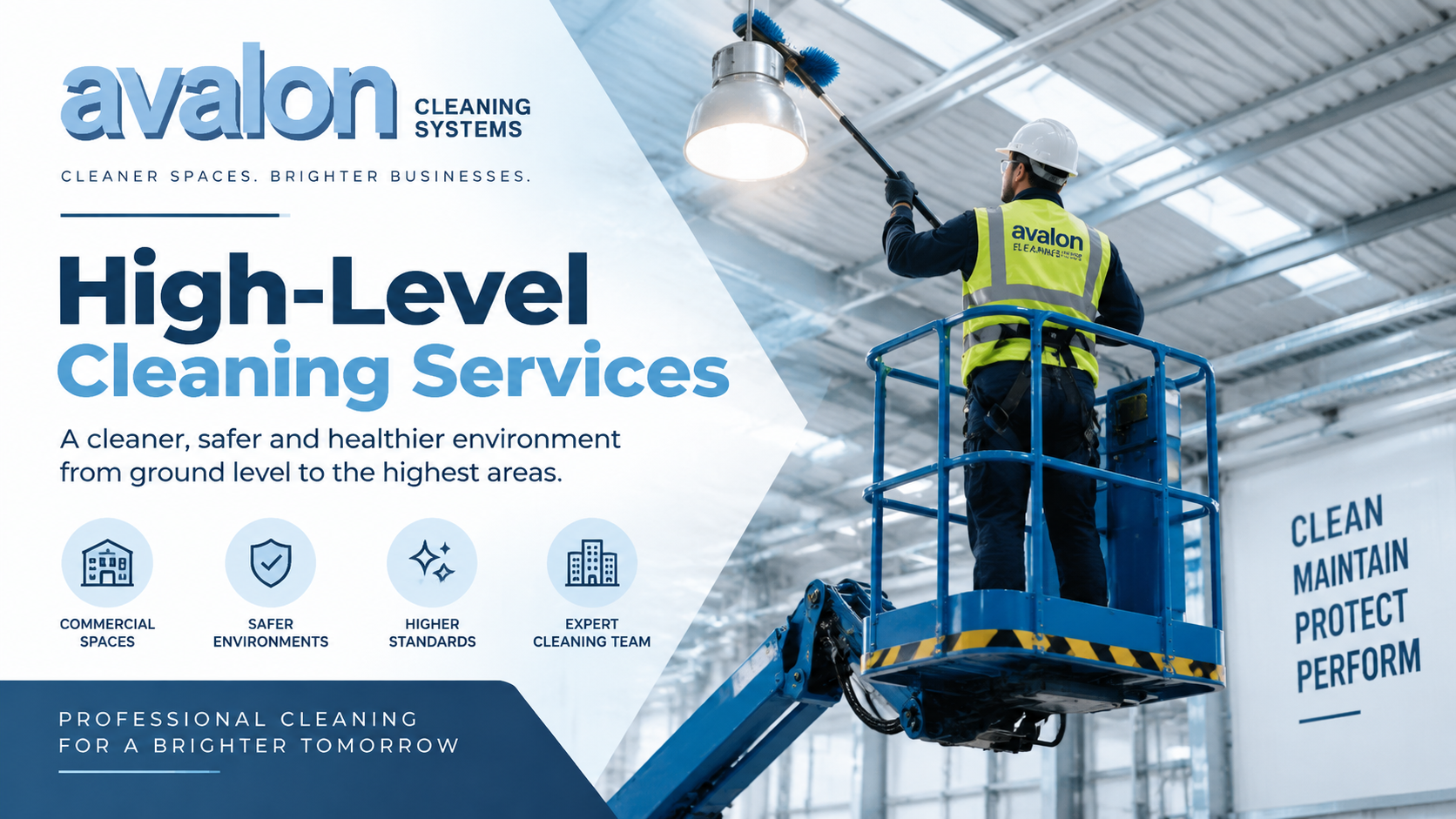
Begin with ceilings and fixtures so dust descends before desks and floors. Wipe ceiling tiles, light fixtures and air vents to remove dust that damages air movement and indoor air quality. Use extendable poles and microfibre heads. Replace filters as needed.
Dust sills, curtain rails and upper shelves that catch dust. Dust corners and behind tall cupboards. Make a note of problem areas during a monthly review so nothing is missed.
For cadence, include vents and lights in your monthly deep clean, and book a professional high-reach service every three or six months for larger spaces. This keeps air cleaner and catches allergens that daily rounds miss.
2. Vertical Surfaces
Walls, doors, and partitions contain prints, smears, and stains. Wipe with a paint-safe neutral cleaner.
Disinfect handles, push bars and switch plates daily to reduce germ transfer. Wipe down glass panels and mirrors using lint-free cloths to avoid streaking.
Don’t forget noticeboards, wallphones, entry pads and mounted screens. These high-touch points need a weekly sanitise and a monthly deep wipe around frames and fixings.
3. Horizontal Surfaces
Wipe down desks, meeting tables, counters and hot desks. Clear crumbs and spills before sanitisation to declutter bacteria and scents. Daily hygiene safeguards employees and accelerates weekly work.
Dust and wipe ledges, filing cabinets and shelves. Wipe shared equipment such as printers, telephones and keyboards with anti-bacterial safe wipes for plastics. Be careful with alcohol and surfaces. Tidy cables and declutter so cleaners can clean to the edges. A monthly checklist includes vacuuming upholstery and chair backs and dusting doorframes and light trims.
4. Communal Zones
Deep clean kitchens, break rooms and shared dining spaces to eliminate cross-contamination. Get sinks, taps, worktops and appliance handles sanitised. Empty and disinfect bins, recycling points and coffee stations.
Restock washrooms daily and disinfect all fixtures. Empty fridges monthly, clean the facades of appliances and steam clean soft chairs in a deeper pass. Deep cleaning eliminates germs, allergens and dust, allowing you to comply with health, safety and environmental standards.
5. Specific Equipment
Wipe down your monitors with dry microfibre and electronics-safe wipes for bezels and stands. Disinfect phones, remotes, headsets and shared tools to cut germ spread.
Service photocopiers, shredders and label printers with official products. Include HVAC and extraction fan deep cleans in a quarterly or biannual schedule for efficiency and air quality. Daily rounds sanitise high-touch controls in monthly reviews, vacuum vents and inspect filters for replacement.
Daily office cleaning should involve sanitising touch points, emptying rubbish bins, dusting, vacuuming or mopping floors, disinfecting bathrooms, and restocking toilet rolls and other consumables. A monthly deep clean should involve vacuuming furniture, dusting trims, and emptying fridges. A clean office is an investment in wellbeing, morale and efficiency.
Beyond the Obvious Tasks
(A thorough deep clean checklist must extend beyond shiny floors and emptied bins.) It needs to flag corners we skip, map high-touch points, and set a rhythm of daily touch-ups, monthly checks, and a three-month deep clean for busy areas. Work from top to bottom to prevent dust drop-back and ease allergies. Include notes for stain checks, quick fixes, and easy swaps, such as vinegar and baking soda where safe for surfaces, etc.
Forgotten Fixtures
Dust behind radiators and behind their covers, underneath sofas and sideboards, and within light fittings where insects and fine dust gather. A long, thin brush or vac crevice tool slips into gaps, and a microfibre cloth lifts the final film.
Wipe down skirting boards, door frames and window tracks. Tracks trap grit that scratches glass and seals. A dry brush, then a damp cloth with mild soap, does the trick. For frames, wipe hinges and catches as well.
Sanitise A/C vents and extractor fans. Pop off covers where feasible, soak in warm soapy water, rinse, dry and refit. This aids airflow, reduces odours and filters out allergens.
Add small hardware: polish handles, taps, and door knobs. Clean shower doors, drains and faucet bases where limescale sticks. Keep these around so that dirt doesn’t come creeping back and the place remains easy to maintain.
Hidden Grime
Shift appliances and big furniture. Pull out the fridge, cooker, beds and moveable wardrobes. Sweep, vacuum, and mop the strip of floor that spawns crumbs, grease and dust balls. My notes frequently highlight consoles and long tables. Clearing beneath them does wonders.
(Scrub grout lines, tile edges, and floor seams.) A grout brush and a paste of baking soda and vinegar lift soap scum and light stains. Rinse well to avoid residue. For heavy scale, use the proper descaler and air it out.
Vacuum behind and underneath sofas, beds and cabinets. Then spot treat stains on floors and fabric. Check for gunk on felt pads or chair feet that scratch floors.
Employ narrow brushes, old toothbrushes and flexible dusters to access rails, vents and tight corners. Use a pocket mirror to look back behind pipes. Finish with a top-to-bottom dusting so any loosened particles do not settle back on again.
High-Touch Points
Disinfect door handles, light switches, lift buttons and handrails daily in busy sites. Use a suitable approved sanitiser with the correct dwell time.
Wipe shared office gear: keyboards, mice, printers, and shared phones. Wipe down fridge seals, microwave doors, and kitchen appliance handles. In lavatories, touch taps, flush levers, cubicle locks, and soap dispensers.
Add desks: clear crumbs, sanitise surfaces and phones, and polish tables and chair arms. Tidy cables to simplify future cleaning. Declutter by giving away unwanted items to reduce dust traps.
Mine your list for updates as traffic changes. Mark quarterly deep cleans, stain checks, and which products work best on each surface.
Handling Specialised Surfaces
Deep cleaning means knowing what you are touching, why it matters and how to clean it without causing damage. Some surfaces require daily sanitising, others require weekly or even monthly action. Adhere to manufacturer instructions, allow products to dwell for an appropriate period and choose the gentlest product that is still effective.
Wood Care
Dust off lightly with a soft, dry cloth to lift grit that can scratch lacquer or oil first. Then go in with a suitable cleaner. Sealed wood enjoys a light, pH-neutral cleaner, while oiled wood requires a mild soap and, every so often, an appropriate oil. Maintain a low moisture content, damp but not wet, so the boards do not swell or warp.
Tackle treat rings, heel scuffs and light scratches early. Wax sticks for small marks, mineral spirits for sticky residue, and a fine pad only if the maker allows. Set a calendar for polishing: quarterly for high-use desks and tables and twice-yearly for trim and doors. On trading floors, dust kit and desks regularly to prevent blockages in vents and downtime.
Stone and Tile
Use pH-neutral cleaners on marble, limestone and travertine. Acids etch quickly and alkalis dull the finish. Scrub the grout with a stiff, narrow brush and an appropriate grout cleaner, working on small areas so that the chemistry remains active. Rinse thoroughly and dry off with a microfibre towel to prevent water spots or mildew.
Seal stone as the manufacturer recommends, frequently every 6 to 12 months in busy kitchens and less in low-traffic halls. For tiles, era cleaning is an alkaline clean that clears greasy build-up. In kitchens, disinfect work surfaces and chopping boards daily with a food-safe product, leaving the surface wet for the entire dwell time.
Upholstery and Fabric
Vacuum seats, backs, arms and crevices using an upholstery tool. Lift dry soil before any wet work so stains do not spread.
Spot-clean with a fabric-safe solution and follow the care code: W for water-based, S for solvent, WS for either, X for vacuum only. Tough stains or delicate fibres such as silk, linen blends or antique weaves require a professional clean to safeguard the pile and dye. Rotate and fluff cushions to maintain shape, and carpets and upholstery will never look or last as good as when cared for by experts.
Plan schedules: clean high-traffic interior glass weekly, exterior windows monthly or quarterly, weather depending. In clinics, implement daily cleaning and disinfection. Keep a rhythm: daily tidying, surface sanitising, and periodic deep cleans of appliances.
Train staff on product use, contact time, and safety, or use experts when in doubt.
Maintaining the Deep Clean Standard
Deep-cleans are not one-off sprints; they’re a cycle that safeguards health, supports compliance and keeps costs in check. Common spaces, touch points and equipment require regular upkeep to minimise wear, avoid repairs and keep things running smoothly. A comprehensive checklist will divide tasks into daily, weekly and monthly requirements. Daily work keeps things tidy, while weekly and monthly measures capture what lurks, so that bacteria, dust and allergens do not accumulate and instigate illness or breaches.
Create a Schedule
Map work into three layers. Daily: wipe touchpoints, empty bins, spot-mop floors, clean loos, and sanitise handles, rails, keypads, lift buttons, taps, and desks. Weekly: pull out small appliances, clean skirting, descale taps, scrub grout lines, wipe vents, and sanitise break rooms and shared kit. Monthly: deep wash carpets, clean behind fridges, degrease extractors, polish light fittings, and check seals and drains.
Assign named owners for zones and tasks. One for kitchen kit checks, another for floor care, and one for washrooms. Transparent titles equal clear responsibility and reduced cracks.
Head with a simple implement. A shared spreadsheet, a facilities app or printed clipboards at each zone work. Tick jobs off, time-stamp them, and log things like worn pads or blocked filters.
Adjust the plan as your space changes. Peak seasons require more touchpoint disinfection. Longer hours demand split shifts. Post events or builds, book a full deep clean that can take several hours, if not days.
Delegate Tasks
Match jobs to skills and time. Take the detail-obsessive under your wing for grout or stainless steel care. Do speedy front-of-house spot cleanings. Buddy a greenhorn on the team up with an old hand in danger areas.
Provide simple clear steps for each job, with illustrations where possible. Include chemical names, mix ratios, dwell times, safety notes, and so on. Put the checklist in the place of work.
Rotate duties to avoid fatigue. Replace toilet deep clean with carpet cleaning every two weeks. Energy remains higher and quality increases.
Look at results. Conduct walk-throughs, use ATP or dust meters if available, and provide immediate feedback. Minor repairs today prevent major expenses tomorrow.
Know When to Call
Some jobs require professionals. Make carpet extraction, upholstery care, high-reach glass, duct, stone reseal, biohazard and post-construction cleans professional calls. They deliver the expertise, techniques and evidence you need for HSE (health, safety and environment) standards.
Book pros at smart points: tenancy changes, after major events, or when odours, stains, or poor air persist. Weigh expenses against advantages such as less sick leave, extended asset lifespan and enhanced first impressions. Frequent deep cleans reduce allergens and germs in hidden hotspots, boosting productivity and ensuring compliance.
Ultimately, a powerful deep clean relies on a solid plan, the right equipment and consistent habits. Carpets are crisp underfoot. Desks look tidy. Air smells fresh. It’s cleaner. The checklist keeps things succinct. Tick them off in order. Use the proper tools for each task. Check high spots, vents, grout and soft seats. Take notes. Dates track. Fix minor problems quickly.
Quick wins help: wipe lift buttons each day, swap bin bags before they brim, clear cables once a week. For glass, use a microfibre cloth and a light spray. For stone, wipe down with pH-neutral soap and cool water. Small steps pile up each week.
Want the detailed checklist and toolkit guide? Get in touch and receive your free template!
Frequently Asked Questions
What should be included in a deep cleaning checklist?
Think high-touch disinfection, dusting high and low, detailed floor care, upholstery and fabrics, vents and filters, bins and recycling, kitchen and bathrooms, and behind-and-under furniture cleaning. Add task frequency, who is responsible, and safety notes.
How often should an office be deep cleaned?
Draft up a deep clean checklist every 3 to 6 months.
How often should you deep clean? High-traffic or healthcare-adjacent environments may require monthly deep cleans. When to book in a deep clean?
What tools do I need for a professional deep clean?
Microfibre cloths, HEPA vacuum, extendable dusters, scrub pads, non-scratch brushes, floor scrubber or mop system, steamer (optional), labelled spray bottles, neutral cleaner, degreaser, sanitiser, glass cleaner and descaler.
How do I handle specialised surfaces safely?
Take a look at the manufacturer’s care guide. Test products in an inconspicuous place. Use pH-neutral cleaners for stone, non-abrasive cloths for stainless steel and approved solutions for screens. Steer clear of acids on marble or bleach on sealed wood.
What tasks are often missed in deep cleaning?
Things that get forgotten include ceiling vents, light fittings, cable trays, chair bases, under desks, door frames, skirting boards and behind appliances. Don’t overlook blinds, window tracks and fabric partitions!
How can I maintain the deep clean standard between sessions?
Embrace daily wipe-downs, weekly high-touch disinfection and monthly mini-resets. Include checklists, colour-coded cloths and clear ownership of tasks. Check often and replenish stock regularly.
Is deep cleaning different from regular cleaning?
Yes. Routine cleaning keeps surfaces clean. What should be on the deep cleaning checklist? It is more thorough, involves specialist equipment, and follows a plan.